
23 October 2026 · inzhener.moscow editorial team
Describe exactly what happens
The word ‘shuts down’ may describe different events: all power is lost, only the screen goes dark, a protective device trips, an individual mechanism stops or software restarts. These manifestations are not equivalent. Record the sequence observed: what happened before the stop, which indicators remained on, whether a code appeared and how operation resumed.
Do not immediately attribute the cause to a voltage surge, overheating or a manufacturing defect. First preserve facts that allow several explanations to be checked. The absence of a fault during a brief inspection does not by itself demonstrate stable operation in every mode. At the same time, a shutdown record does not yet show whether the cause arose within the equipment or from external conditions.
Keep an event log using consistent identifiers
Create a separate entry for each shutdown. State the date, time, equipment identifier, operating time before the event, operation being performed and observed signs. Replace ‘it broke again’ with a specific description. If a duration is only approximate, state this instead of creating the impression of a precise measurement.
- Model, serial number, installed configuration and software version.
- Operating mode and set load, material being processed or operation being performed.
- Message code, indicator status and shutdown sequence.
- Events close in time: another installation starting, a power supply changeover or servicing.
- Room conditions and other available observations relevant to the equipment.
- Who noticed the event, what actions they took and how the device resumed operation.
Include periods of normal operation under comparable conditions in the log as well. This helps check whether the fault is always associated with the selected mode. An observed coincidence is useful in developing an explanation, but causation must be examined separately: a neighbouring installation may have started at the same moment because of a common external cause.
Preserve data before resets and servicing
If the equipment's standard facilities allow it, export error, event and parameter logs. Preserve their original format together with any available export instructions. A screenshot shows a selected screen but may omit adjacent entries, units and settings. It can be included for orientation while retaining the log file itself.
Record the device time and any known difference from the observer's time or other systems. Do not edit the original to align clocks: provide a separate explanation. If the log is overwritten automatically, tell the servicing specialist so data preservation can be arranged. Do not change protection settings or recording modes without understanding the consequences for safety and operation.
Provide information on repairs, replacements, updates and parameter changes. Servicing may eliminate or change a symptom, so the date and scope of the intervention are important. If the equipment has already been serviced, useful information includes not only the final statement ‘serviceable’ but also the checks carried out, operating modes, observation duration and recorded results.
Record the fault safely
Video can show the shutdown sequence and the state of the controls. Where possible, start with an overall view identifying the equipment, then show the on-screen message. Preserve the original file separately from any shortened copy. Continuous recording helps establish the order of events but does not replace measurements of hidden parameters.
If there is a burning smell, sparking, damaged wiring, hazardous heating or other signs of danger, stop operation using the prescribed safe procedure and contact the relevant specialists. Do not provoke another shutdown, open electrical cabinets or disable protection to make a recording. Whether testing is possible is determined with regard to the condition of the object.
When extended monitoring is needed
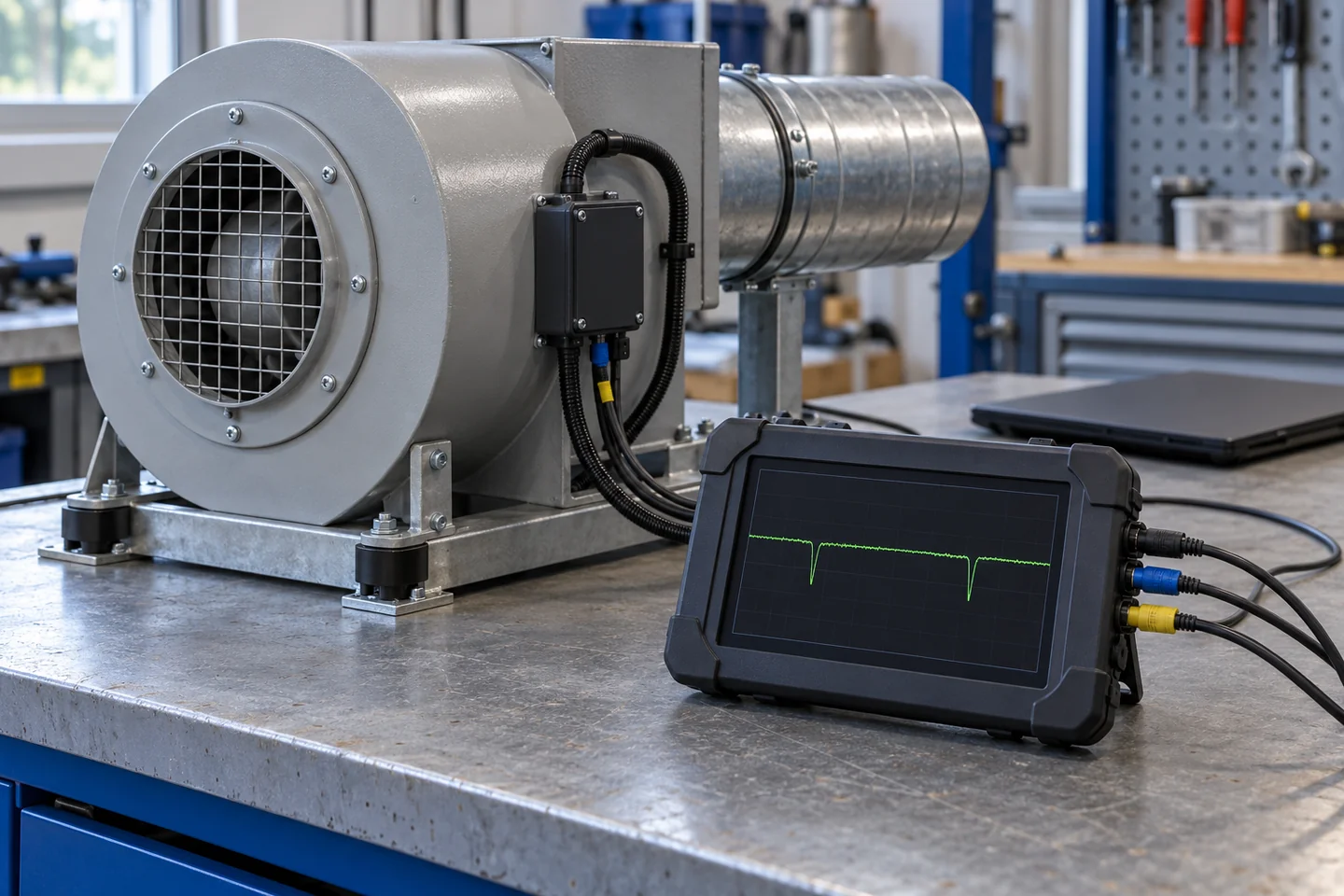
If an event is rare, a single measurement may miss the fault. A specialist may propose recording parameters over an agreed period. Before starting, define what will be recorded, at what time resolution, how shutdowns will be marked and which logs the measurements will be compared against. Measuring equipment must be connected by a suitably trained person.
Voltage dips, interruptions and other power supply changes may accompany equipment shutdowns, but the presence of this symptom does not automatically establish an electrical cause. Checking it requires data for the relevant moment and assessment of other factors. If the event does not occur during observation, state the monitoring duration and conditions rather than making an unconditional finding that no fault exists.
Questions for examination
- What is the nature of the recorded shutdowns and what data support them?
- With which operating modes and external events do they coincide, and can technical causation be established?
- Did the operating conditions comply with the documentation requirements for the particular equipment?
- Which possible failure mechanisms have been supported, ruled out or require further checking?
- What extent of monitoring or testing is needed to answer the remaining questions?
For an initial enquiry, prepare an event log, documentation and several representative original files. State whether the equipment remains in operation and what has already been changed. This set of materials helps select a method for checking an intermittent fault and assess the limits of conclusions in advance when data are incomplete.